
The Ultimate Guide to Kids’ Wear in the UK: Trends, Tips
Dressing children well in the UK is a practical challenge wrapped inside a creative one. The weather shifts without warning, kids grow faster than you budget for, and the gap between what they want to wear and what lasts more than three washes is wider than most parents expect. This guide cuts through the noise and gives you a clear picture of what’s trending, what’s worth buying, and how to make smart decisions at every age and price point.
The Current State of UK Kids’ Fashion
British children’s fashion has matured significantly over the last decade. Parents now expect kids’ clothing to balance durability with genuine style, and brands have responded. The big shift is toward clothing that mirrors adult fashion cycles without sacrificing practicality.
Sustainability is the dominant conversation right now. Organic cotton, recycled fibres, and ethical supply chains have moved from niche positioning to mainstream expectation. Brands like Frugi, Polarn O. Pyret, and Mini Rodini have proven that parents will pay a premium for clothes built to last and pass down. The resale market on platforms like Vinted has also changed how parents think about cost per wear.
Key Trends for 2024 and Beyond
Genderless and Relaxed Silhouettes
The shift away from heavily gendered clothing continues across UK retailers. Loose trousers, oversized sweatshirts, and block-colour basics dominate school-run wardrobes. This works practically too, because relaxed fits accommodate growth spurts and layers underneath winter coats.
Bold Prints and Retro Palettes
Colour is back in a big way. Earthy tones from a few seasons ago are giving way to brighter, more expressive palettes. Think 1970s-inspired oranges, mustard yellows, and cobalt blues. Brands targeting the 3 to 10 age group are leaning into graphic prints, dinosaurs, botanicals, and abstract shapes over licensed character tees.
Activewear Crossover
The line between playground wear and activewear has essentially dissolved. Stretchy joggers, zip-through hoodies, and trainers that work equally well for PE and a birthday party have become the default uniform for primary school-age children. Adaptability is the primary driver of purchase decisions.

How to Build a Smart Kids’ Wardrobe
Buy by Age Band, Size Up
UK sizing across brands is inconsistent. A “5 years” label from Next fits differently from one at H&M or John Lewis. Measure your child in centimetres and buy by height rather than age labels wherever possible. Sizing up by one in key pieces like coats, school trousers, and knitwear adds months of wear without looking sloppy.
Prioritise Fabric in These Categories
Some categories justify spending more on better materials. Others are fine at budget price points.
| Category | Fabric Priority | Why It Matters |
|---|---|---|
| School trousers | High | Worn daily, must survive hard use |
| Coats and outerwear | High | UK weather demands real waterproofing |
| T-shirts and basics | Medium | Replaced often, budget buys work fine |
| Sleepwear | High | Skin contact all night, natural fibres preferred |
| Party or occasion wear | Low | Worn rarely, fast fashion is acceptable here |
The Capsule Approach Works for Kids Too
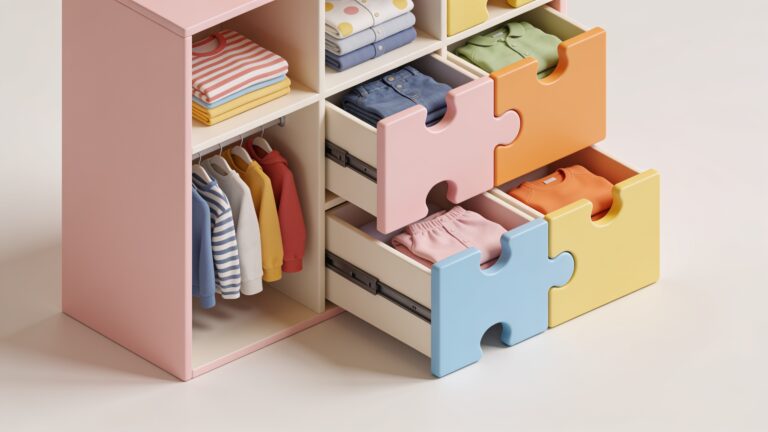
A tight, coordinated wardrobe of 15 to 20 pieces beats 50 random items that never quite go together. Build around a neutral base of navy, grey, and cream, then add three or four statement pieces per season. Every item should combine with at least three others. This reduces morning friction and extends the life of individual pieces because everything gets worn in rotation.
School Uniform: Navigating the UK System
School uniform policy varies by school, but most UK state primaries require a specific colour palette with some flexibility on items. Here are the smart buying habits:
- Buy the logo-embroidered items directly from the school supplier. These are often required and the saving from alternatives is minimal.
- Source plain polo shirts, trousers, skirts, and sweatshirts from supermarkets. Asda George, Tesco F&F, and Sainsbury’s Tu deliver uniform basics at prices that make the inevitable knee-rips painless.
- Buy two full sets at the start of the school year, full stop. One set in the wash and one on the child is the baseline.
- Iron-on name labels are slower than laundry marker pens. Write names directly on the care label. It takes ten seconds per item and survives washing.
- Check the school’s second-hand uniform sale before buying anything new. Most primary schools run them at the start of September and January.
Seasonal Buying Guide
Autumn and Winter
The UK autumn is unpredictable, so layer-friendly pieces do the most work. A good waterproof coat with taped seams is the single most important purchase of the year. Merino wool base layers regulate temperature far better than synthetic fleeces. Thermal underlayers from brands like Aldi and Lidl (available seasonally) offer solid performance at low price points.
Spring and Summer
British summers require a split strategy. Pack a waterproof layer and a sun hat in the same bag. Lightweight linen and cotton blends handle the heatwave days, and a packable rain jacket handles everything else. UV-protective swimwear is worth the extra spend for beach and pool days.
The Resale and Circular Economy
Reselling kids’ clothes is straightforward because children outgrow items before they wear out. Selling on Vinted, eBay, or Facebook Marketplace recovers 30 to 50 percent of the original price on branded pieces in good condition. Buy bundles in the next size up before your child reaches that size. Pre-loved bundles on Vinted often come in at 70 to 80 percent below retail.
Key Takeaways
Dressing kids well in the UK comes down to a few consistent principles. Buy for longevity in high-use categories, size up where fit allows, and treat occasion wear as disposable. The circular economy is your ally, so buy pre-loved and sell on promptly. Build a small, coordinated wardrobe rather than a large chaotic one, and prioritise genuine waterproofing over everything else because this is the UK, and it will rain.
Start with an audit of what your child actually wears in a typical week. The answer will tell you exactly where to spend and where to save.