
Best Kids Winter Coats: Warmth and Safety Guide
Why Getting This Right Matters More Than You Think
Picking a winter coat for a kid sounds simple. It is anything but. Kids run hot, then stand still and get cold in five minutes. They drag coats through snow, lose mittens, and refuse to zip up. A coat that fails on warmth or fit becomes a genuine safety risk, especially in temperatures below 20°F or during extended outdoor play.
I have spent years writing about outdoor gear and children’s apparel, and the questions parents get wrong most often fall into the same three categories: warmth rating, fit, and visibility. This guide covers all of them in plain terms so you can shop with confidence.
Understanding Warmth Ratings and Insulation Types
The warmth of a coat comes from its insulation. There are two main types: down and synthetic.
Down insulation (goose or duck feathers) gives you the best warmth-to-weight ratio on the market. A 550-fill-power down coat is a solid everyday option. A 700-fill-power or higher coat is overkill for most school commutes but worth it for sustained outdoor activity in deep winter. The catch with down is moisture. Wet down loses most of its insulating ability until it dries.
Synthetic insulation holds its warmth even when damp, which makes it my top recommendation for kids under 10. Children fall in snow, sit on wet benches, and spill drinks. Synthetic fills like PrimaLoft Gold or Thinsulate 200g handle all of that far better than down.
Temperature Range Guide
| Temp Range | Insulation Weight | Coat Style |
|---|---|---|
| 40°F to 55°F | Light (60-100g synthetic) | Fleece-lined shell |
| 25°F to 40°F | Mid-weight (100-150g synthetic or 550 fill down) | Insulated jacket |
| 10°F to 25°F | Heavy (150-200g synthetic or 700 fill down) | Parka or expedition coat |
| Below 10°F | Maximum (200g+ or layered system) | Insulated parka plus base layer |
Use this table as a starting point. Factor in wind exposure and activity level. A kid sledding for two hours needs more insulation than a kid walking to the car.
Fit, Sizing, and the Room-to-Grow Problem
Parents constantly size up to get an extra season out of a coat. I get it. Kids grow fast and quality coats cost real money. But an oversized coat creates cold gaps at the wrists, neck, and waist. It also restricts movement less efficiently than a properly fitted coat.
The right approach is to size up by one, never two. Look for coats with adjustable cuffs, a cinch cord at the hem, and a hood that adjusts independently from the collar. Those three features let you fine-tune the fit as the season progresses.
For car seat safety, the rule is firm. A puffy coat under a car seat harness compresses in a crash, creating slack that makes the harness effectively loose. The fix is simple. Put the coat on your child, buckle them into the car seat with the harness fitted snugly, then remove the coat and re-buckle. If the harness is now loose, the coat is too thick for car seat use. Use a thin fleece layer under the harness and place the coat over the top like a blanket.
Safety Features Worth Prioritizing
Warmth keeps a child comfortable. Safety features can keep them alive in worst-case scenarios.
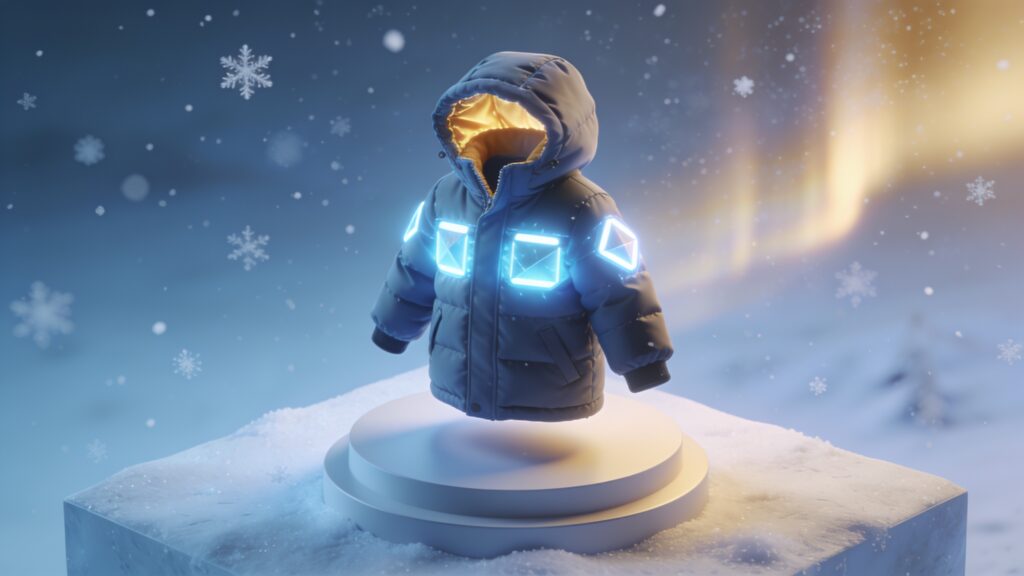
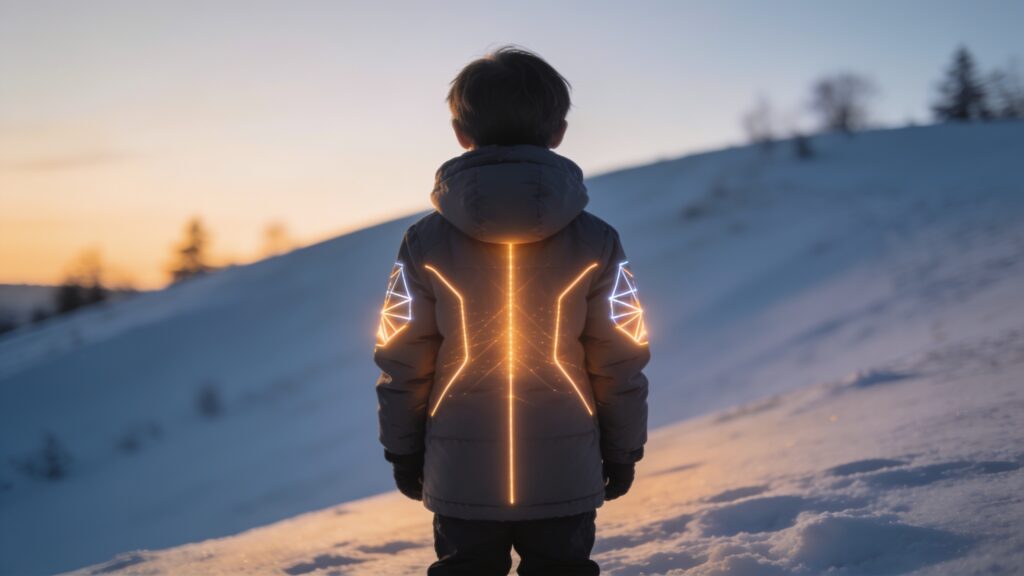
Reflective elements matter more than most parents realize. During winter, kids often walk to school or wait at bus stops in low-light or dark conditions. A coat with reflective piping or panels on the chest, back, and sleeves makes a child visible to drivers at a distance. I actively avoid coats that have reflective details only on the zipper pull. That is decoration, not safety.
Here are the safety features I look for on every kids’ coat I review:
- Reflective panels or piping on the front, back, and sleeves
- A snag-free zipper (exposed zipper teeth catch on car seat harness webbing)
- A storm flap over the main zipper to seal out wind and moisture
- An attached hood rather than a removable one (loose hoods blow off and get lost)
- A chin guard on the zipper to prevent facial skin from catching in the zip
Avoid drawstring hoods on coats for children under 12. The Consumer Product Safety Commission has issued repeated warnings about hood drawstrings creating strangulation hazards on playground equipment and school bus steps. Most reputable brands have eliminated them, but cheaper imports still slip through.
Top Coat Picks by Age Group
Toddlers (Ages 1 to 4)
For this age group, I recommend the Columbia Benton Springs Fleece or the Patagonia Hi-Loft Down Sweater Hoody. Both have snap or zipper closures that an adult can operate one-handed while the child squirms. Avoid long coats on toddlers. They trip on them.
School Age (Ages 5 to 10)
The REI Co-op Stormhike Insulated Jacket and the L.L. Bean Kids’ Ultralight 850 Down Jacket are my two go-to picks. The REI option uses synthetic fill, which makes it the safer choice for wet climates. The L.L. Bean coat is lighter and better for dry cold or layered systems.
Tweens (Ages 11 and Up)
At this age, kids start having opinions. The North Face Gotham Parka satisfies both style preferences and technical performance. It uses 550-fill down with a DWR (Durable Water Repellent) coating and has reflective detailing built into the design.
Key Takeaways and Next Steps
Buy for fit first, warmth second. A coat with the right insulation weight for your climate means nothing if cold air pours through gaps at the wrists or neck.
Prioritize synthetic insulation for young kids who play in snow. Save down for older children or for climates where moisture is less of a concern.
Car seat safety is non-negotiable. Test every coat against the harness before the season starts.
Check reflective elements before you buy. Hold the coat under low light and see where it shows up. If the answer is “barely anywhere”, keep looking.
A quality coat bought in late October will often go on clearance by January at 30 to 50 percent off. If your child’s coat from last year still fits and performs, it is worth waiting for those sales on next year’s purchase. Plan ahead, buy smart, and your kid stays warm all season.