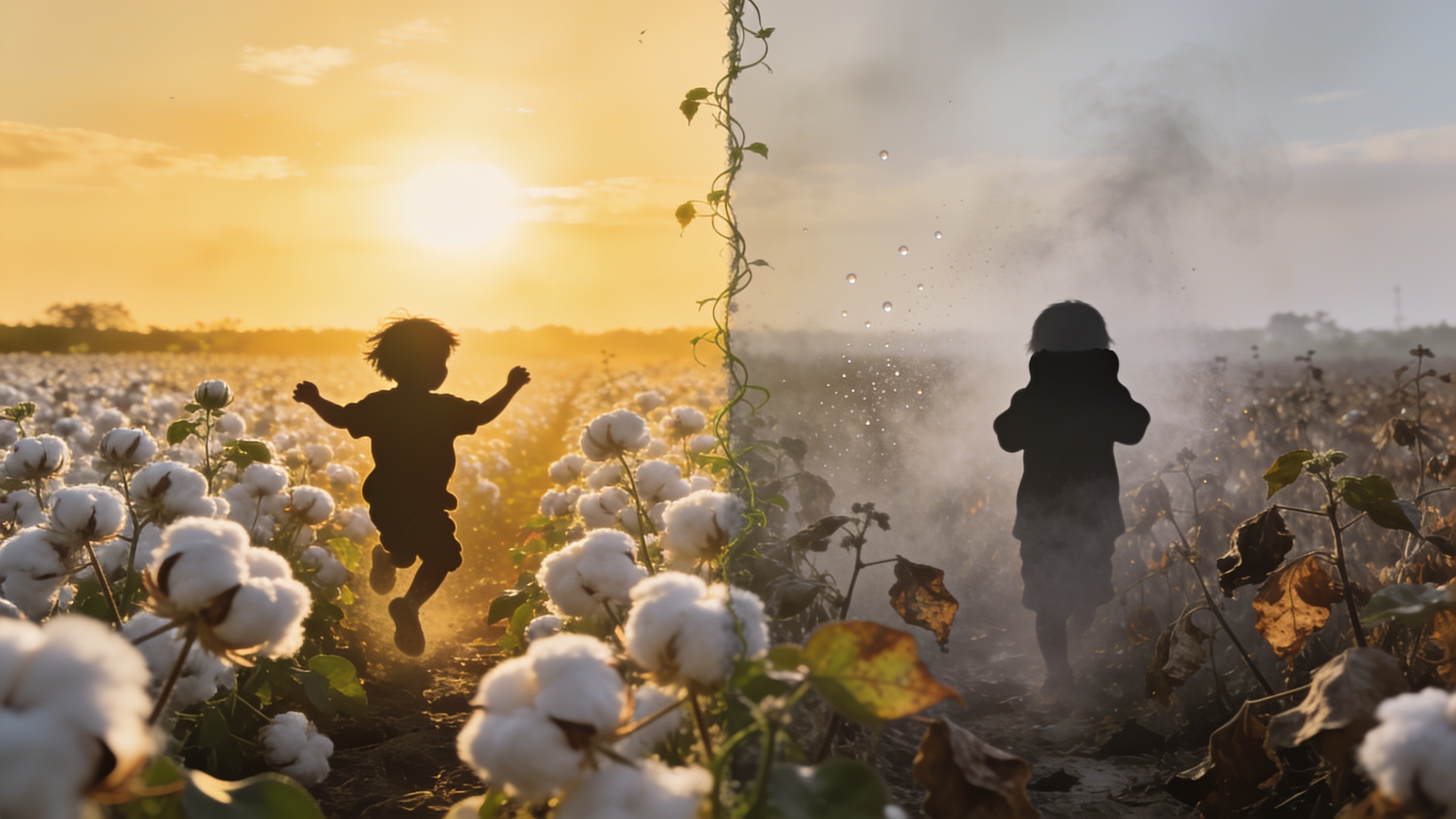
Organic vs. Regular Cotton: Is Organic Kids’ Clothing Worth It?
Every parent has stood in a store holding two nearly identical tiny t-shirts, one labeled “organic” with a price tag 40% higher than its neighbor. The instinct is to assume the expensive one is better for your child. But is that instinct correct, or are you paying a premium for a marketing label?
I’ve spent time researching both sides of this debate, and my honest answer is: it depends on what you value, and the details matter a lot.
What Actually Makes Cotton “Organic”
Regular cotton is one of the most chemically intensive crops on the planet. It covers about 2.5% of the world’s agricultural land but accounts for roughly 16% of global insecticide use. Those pesticides include some genuinely harsh compounds, organophosphates among them, that persist in soil and waterways.
Organic cotton, by contrast, is grown without synthetic pesticides, herbicides, or genetically modified seeds. Farmers rely on crop rotation, beneficial insects, and mechanical weeding. To carry a certified organic label in the US, the cotton must meet USDA National Organic Program standards, and the certification covers the farming stage.
Here is where it gets important. The word “organic” on a garment only guarantees the raw fiber. The dyeing, bleaching, and finishing processes that turn raw cotton into a soft kids’ shirt can still involve a significant load of chemicals unless the garment also carries a Global Organic Textile Standard (GOTS) certification.
How the Two Options Compare
| Factor | Regular Cotton | Organic Cotton (GOTS-certified) |
|---|---|---|
| Pesticide use in farming | High | Minimal to zero |
| Chemical processing | Standard (may include formaldehyde finishes) | Restricted to safer alternatives |
| Skin contact safety | Adequate for most children | Better for sensitive or eczema-prone skin |
| Environmental impact | Higher water and chemical load | Lower, though still water-intensive |
| Average price premium | Baseline | 20-50% above regular cotton |
| Durability | Good | Comparable, sometimes softer over time |
The table makes the tradeoff clear. You are paying a real premium, and the environmental and skin-safety benefits are real, but they come with important caveats about certification.
Does It Actually Affect Your Child’s Skin?
This is the question most parents care about most. The research here is nuanced. Studies on textile dermatitis consistently show that residual chemical finishes, dyes, and fabric softeners are more common triggers for skin reactions than pesticide residue from the farming stage. Most pesticide residue in raw cotton is largely removed during the washing and processing phase.
That said, children with eczema, psoriasis, or chemical sensitivities respond better to low-chemical fabrics. If your child has sensitive skin, the combination of organic cotton fiber plus GOTS-certified processing is a meaningful step down in irritant exposure. For children with no skin issues, the skin-safety benefit of organic cotton is present but modest.
My take: if your child has chronic skin inflammation, organic and GOTS-certified is worth every extra dollar. For kids with resilient skin, you are buying environmental benefit more than a direct health benefit.
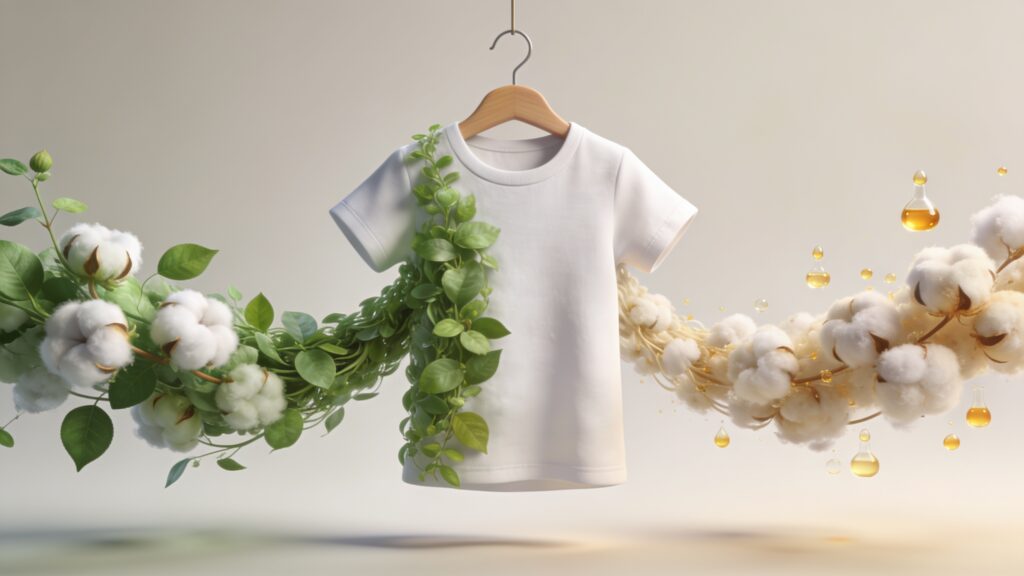
The Environmental Side of the Argument
I find the environmental case for organic cotton more straightforward than the health case. Conventional cotton farming is genuinely hard on soil, groundwater, and the farmers who work with these chemicals daily. Organic cotton farming reduces that burden measurably.
The honest counterpoint is that organic cotton uses more land to produce the same yield, because synthetic fertilizers and pesticides boost conventional crop output. Water consumption across both methods is high and comparable. So organic cotton is better for the environment, but it is a partial improvement rather than a clean solution.
Recycled cotton, worth mentioning here, has a smaller overall footprint than either, though it is harder to find in soft, baby-friendly fabrics.
What to Look for When You Shop
Labels and marketing language on kids’ clothing can be confusing. Here is a practical checklist to cut through it:
- GOTS certification means both the fiber and the processing meet organic and low-chemical standards. This is the label that carries the most weight.
- OEKO-TEX Standard 100 does not mean the cotton was grown organically, but it does mean the finished fabric has been tested for over 100 harmful substances. It is a solid safety signal for conventionally grown cotton.
- “Made with organic cotton” with no third-party certification is a claim with limited accountability. The percentage of organic fiber in the garment could be as low as 5%.
- Bluesign certification covers sustainable and responsible chemical management in textile production.
If budget is a constraint, prioritize OEKO-TEX certified conventional cotton for everyday basics, and reserve GOTS-certified organic for items your child wears closest to the skin for long periods, pajamas, bodysuits, and underwear.
The Price Reality
Let me be direct about money. A pack of three GOTS-certified organic cotton bodysuits for a baby runs around $20 to $30. The conventional equivalent is often $8 to $12. Over a full year of rapid growth where sizes change every two to three months, that premium compounds quickly.
A practical strategy I recommend is a tiered approach. Spend on organic and certified for high-contact, high-duration items. Go conventional or OEKO-TEX for outerwear, jackets, and clothes worn briefly over other layers. You get most of the benefit at a fraction of the total cost.
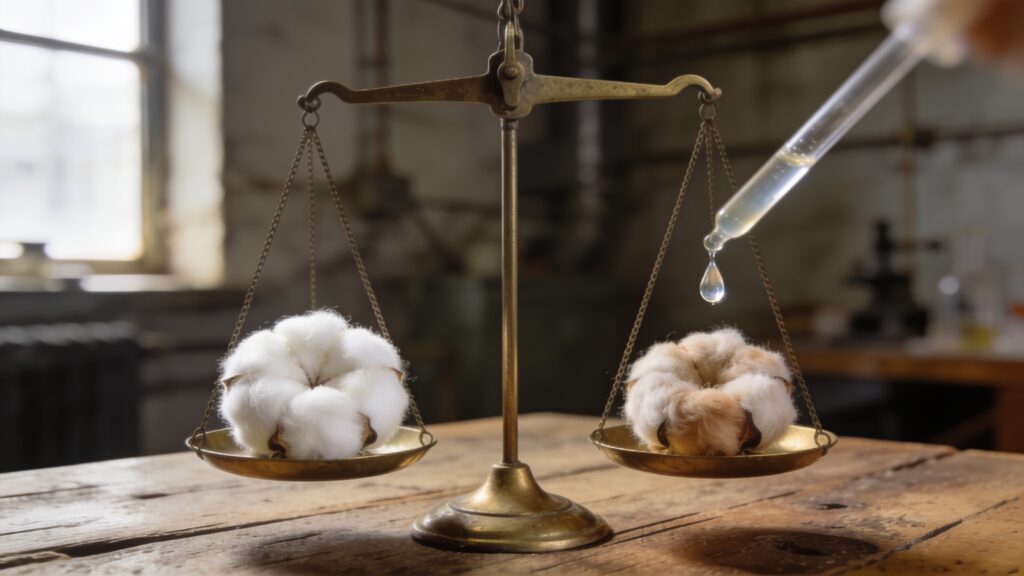
Key Takeaways and What to Do Next
Organic kids’ clothing is worth it under the right conditions. Here is where I land:
- GOTS certification is the standard to shop by. The word “organic” alone is insufficient.
- Children with sensitive skin or eczema have a clear reason to prioritize organic and certified clothing.
- The environmental benefit of organic cotton is real, though incremental.
- A tiered buying strategy, organic for pajamas and underwear, OEKO-TEX for everything else, balances cost and benefit well.
Start by checking the pajamas and underwear in your child’s dresser. If they lack any third-party certification, that is the easiest, highest-impact swap you can make. The skin spends more hours in contact with those items than with any other garment. That is the place to put your organic clothing budget to work.