What Are the Different Types of Clothes Every Young Learner Should Know About
Teaching kids about clothing goes far beyond dressing them in the morning. When children understand the different categories of clothes, why each type exists, and when to wear what, they build a practical life skill that stays with them forever. This article breaks down clothing types in a way that makes sense for young learners and the adults who guide them.
Why Clothing Knowledge Matters for Kids
Children who can name and categorize clothing gain confidence. They make better choices when packing for a trip, preparing for school, or getting dressed independently. Understanding clothing also connects to broader lessons about seasons, weather, social settings, and personal care.
Think of clothing literacy as the foundation. Once a child knows the categories, everything else clicks into place faster.
The Main Categories of Clothing
Clothes fall into several broad groups. Each group has a purpose, and knowing that purpose helps kids figure out what to wear in any situation.
Everyday Wear
Everyday wear is the clothing children put on for regular, low-stakes activities like playing at home, going to the park, or running errands. This category prioritizes comfort and durability.
Common examples include t-shirts, jeans, leggings, sweatpants, and casual sneakers. These items handle movement, minor spills, and the general chaos of childhood well. A good everyday outfit lets a kid climb a fence or sit cross-legged on the floor without a second thought.
School Clothes
School clothes sit somewhere between casual and presentable. Some schools require uniforms, which narrows the choices to specific colors and styles like polo shirts, pleated trousers, plaid skirts, and blazers. Schools without uniforms still expect a standard of neatness.
Key items in a school wardrobe often include:
- Button-up shirts or collared tops
- Dark-wash jeans or chinos
- Simple dresses or skirts at an appropriate length
- Closed-toe shoes or loafers
- A cardigan or light jacket for cooler classrooms
Formal and Special Occasion Clothes
These are the outfits reserved for events that call for extra care, such as weddings, religious ceremonies, school performances, and holiday gatherings. Young learners should know that formal clothes require more careful handling.
For boys, this typically means dress trousers, a button-down shirt, a tie, and leather shoes. For girls, it means a dress or skirt suit, tights, and dress shoes. The key lesson here is that these items live in a closet, treated with respect, and worn with intention.
Sportswear and Active Clothes
Sportswear is designed for physical activity. The fabrics stretch, breathe, and dry quickly. Teaching kids to separate their active clothes from their regular clothes is a habit that prevents damage to both.
| Activity | Typical Clothing |
|---|---|
| Soccer | Jersey, shorts, shin guards, cleats |
| Swimming | Swimsuit, swim cap, rash guard |
| Gymnastics | Leotard or fitted shorts and top |
| Running | Moisture-wicking shirt, athletic shorts or leggings, running shoes |
| Cycling | Padded shorts, helmet, gloves |
Sleepwear
Pajamas, nightgowns, and sleep shorts fall into sleepwear. This category teaches kids an important boundary: sleep clothes stay for sleeping. They are softer, looser, and made from materials like cotton or fleece that feel comfortable during rest.
Young children who understand sleepwear as a distinct category tend to transition to bedtime more smoothly. The clothing itself signals a shift in routine.
Outerwear
Outerwear protects against weather. Coats, raincoats, puffer jackets, parkas, and windbreakers all belong here. Kids should learn to match their outerwear to the conditions outside, which builds weather awareness at the same time.
A light hoodie works for a cool autumn evening. A heavy insulated coat handles below-freezing temperatures. A waterproof rain jacket manages wet days. Teaching children to read the forecast and select the right outer layer is a practical daily skill.
Underwear and Base Layers
Underwear is the foundation of every outfit. Base layers, like thermal undershirts and leggings, add warmth underneath regular clothes on cold days. Young learners benefit from understanding that these items are personal, kept clean, and changed daily.
Seasonal Clothing Awareness
One of the best frameworks for teaching clothing types is the four seasons. Children can sort their wardrobe by season and understand why certain items belong to certain times of year.
- Spring: Light jackets, rain boots, long-sleeve shirts, light trousers
- Summer: Shorts, tank tops, sandals, sun hats, swimwear
- Autumn: Layering pieces, sweaters, boots, scarves
- Winter: Coats, thermal underlayers, gloves, hats, waterproof boots
This seasonal lens gives kids a mental map for their closet and helps them anticipate what they will need as weather shifts.
Teaching Kids to Care for Their Clothes
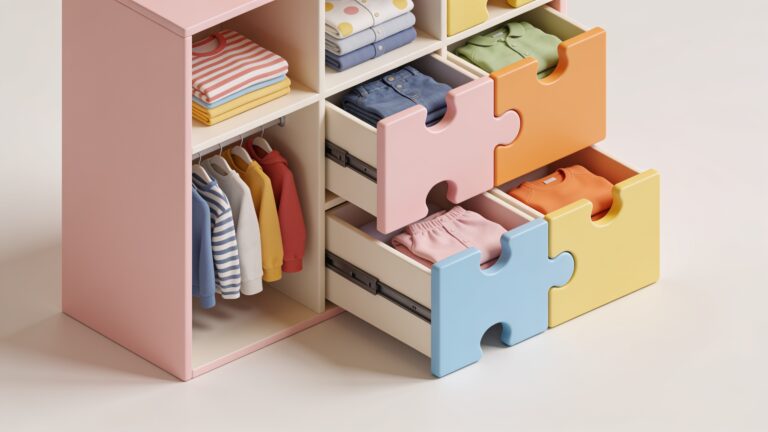
Knowing clothing types is only half the lesson. Young learners also benefit from basic care habits. Hanging up worn-but-clean items, placing dirty clothes in a hamper, and folding folded items properly all extend the life of clothes and build personal responsibility.
Start with one rule at a time. Ask a child to be responsible for hanging their own school bag and jacket when they come home. Once that sticks, add putting shoes away. Small habits compound into a tidy, organized approach to personal belongings.
Key Takeaways
Teaching young learners about clothing types creates practical, confident, and self-sufficient kids. The main categories to cover are everyday wear, school clothes, formal wear, sportswear, sleepwear, outerwear, and underwear. Seasonal awareness ties these categories together and gives children a decision-making tool they use every single day.
Start conversations about clothing early, keep the lessons concrete, and connect each category to real situations the child already experiences. That combination turns abstract vocabulary into lived understanding.
Take time this week to walk through your child’s closet with them. Name the categories together, sort a few items, and let them make a choice. That one small exercise does more for clothing literacy than any worksheet ever could.