Children’s Wear Classification: What Kind of Clothes Do Children Wear?
Walk into any children’s clothing section and you’ll face a wall of options sorted by age, size, function, and season. It looks chaotic until you understand the system behind it. Once you do, shopping for kids becomes faster, smarter, and a lot less frustrating.
This article breaks down how children’s clothing is classified, what each category covers, and how to think about dressing kids at different stages of development.
Why Classification Matters
Children’s clothing follows a logic that adult fashion ignores. Kids grow fast, move hard, and need clothes that meet specific safety standards at each age. A garment built for a crawling infant has very different requirements than one built for a twelve-year-old playing soccer.
Understanding classification helps parents buy the right fit the first time, avoid safety hazards, and spend money on pieces that actually last through a growth phase.
Age-Based Classification: The Foundation
The most widely used system divides children’s wear by age group. Each group corresponds to a developmental stage with distinct physical proportions and clothing needs.
| Age Group | Common Label | Key Clothing Needs |
|---|---|---|
| 0 to 12 months | Infant or Baby | Snap closures, soft fabrics, no loose parts |
| 1 to 3 years | Toddler | Easy on/off, durable knees, elastic waists |
| 4 to 6 years | Little Kids | More structured fits, school-ready styles |
| 7 to 12 years | Big Kids | Near-adult proportions, trend awareness begins |
| 12 to 16 years | Tween/Teen | Adult silhouettes, brand sensitivity increases |
Sizing within each group runs by height or weight for infants, and by numeric age or body measurements for older children. Always check a brand’s specific size chart, because a “size 6” at one label can fit very differently at another.
Functional Categories: What the Clothes Are For
Beyond age, children’s clothing splits into functional types. This is where most of the buying decisions happen day to day.
Everyday Casual Wear
This is the workhorse category. T-shirts, joggers, denim, hoodies, and leggings all live here. These pieces need to survive repeated washing, rough play, and kids who have zero interest in staying clean.
Look for reinforced knees on pants, colorfast dyes, and fabrics with at least a small percentage of stretch. Cotton blends and jersey knits dominate this segment for good reason. They breathe, they stretch, and they hold up.
School and Uniform Wear
Many schools worldwide require uniforms or a dress code. This category covers polo shirts, chinos, button-downs, pleated skirts, blazers, and smart shoes.
School wear prioritizes durability and a tidy appearance across a full day of activity. Parents should look for wrinkle-resistant fabrics and reinforced seams. A polo that looks sharp after six hours in a classroom is worth paying slightly more for upfront.
Activewear and Sportswear
Kids who play sports or attend physical education classes need dedicated activewear. This means moisture-wicking fabrics, flexible cuts, and ventilation panels.
Sport-specific items include football kits, swimming gear, gymnastics leotards, and running shorts. General activewear like track pants, sports bras for older girls, and compression shorts also sits in this segment. These pieces work best when they match the specific movement demands of the activity.
Formalwear and Special Occasion Clothing
Weddings, holiday events, and formal school occasions call for this category. It includes dress shirts with ties, suits for boys, and party dresses or formal gowns for girls.
Formalwear for children tends to be a short-term investment because kids wear it once or twice before outgrowing it. Renting or buying secondhand makes solid sense here. Focus on comfort as much as appearance, because a child in an uncomfortable outfit is a child who will complain through the entire event.
Outerwear
Outerwear covers coats, raincoats, snowsuits, puffer jackets, and windbreakers. The requirements shift dramatically by climate.
A child in a northern climate needs a properly insulated, waterproof coat with sealed seams. A child in a mild coastal region may get through winter in a zip-up fleece. Match the outerwear to the actual weather conditions rather than buying the most elaborate option available.
Sleepwear
Children’s sleepwear is one of the most regulated categories in the industry. In the United States, children’s pajamas must either meet flammability standards or be labeled as snug-fitting to reduce fire risk.
Parents should check labels carefully. Loose-fitting sleepwear for children under twelve should carry a flame-resistant treatment unless the label specifies snug-fit exemption. Cotton and bamboo blends are popular for comfort, especially for kids who run warm at night.
Safety Standards in Children’s Clothing
Safety rules govern how children’s clothes are made, and they exist for real reasons.
Here are the main hazard areas that clothing regulations address:
- Drawstrings on hoods and necks, which pose a strangulation risk for young children
- Small decorative buttons or embellishments that can detach and become choking hazards
- Tight necklines on infant garments that can restrict breathing
- Toxic dyes and chemical finishes that sit against a child’s skin for hours at a time
- Flammability of sleepwear, especially for children under twelve
Always buy from brands that comply with the relevant safety standards for your country. In the US, the Consumer Product Safety Commission sets these rules. In the EU, the EN 14682 standard governs drawstring hazards specifically.
How to Build a Practical Children’s Wardrobe
My recommendation is to invest heavily in the everyday casual category and spend sparingly on formalwear and special occasion pieces. Kids live in their casual clothes. That’s where quality pays off.
Build around a core of durable basics, then add functional pieces by season. A typical seasonal rotation for a school-age child might include five to seven everyday tops, three to four bottoms, one or two school uniform sets, one active outfit per sport, one set of pajamas per week, and a single reliable outerwear layer.
Prioritize fit above all else. A well-fitting cheap T-shirt beats an expensive one that pulls across the shoulders every time.
Key Takeaways
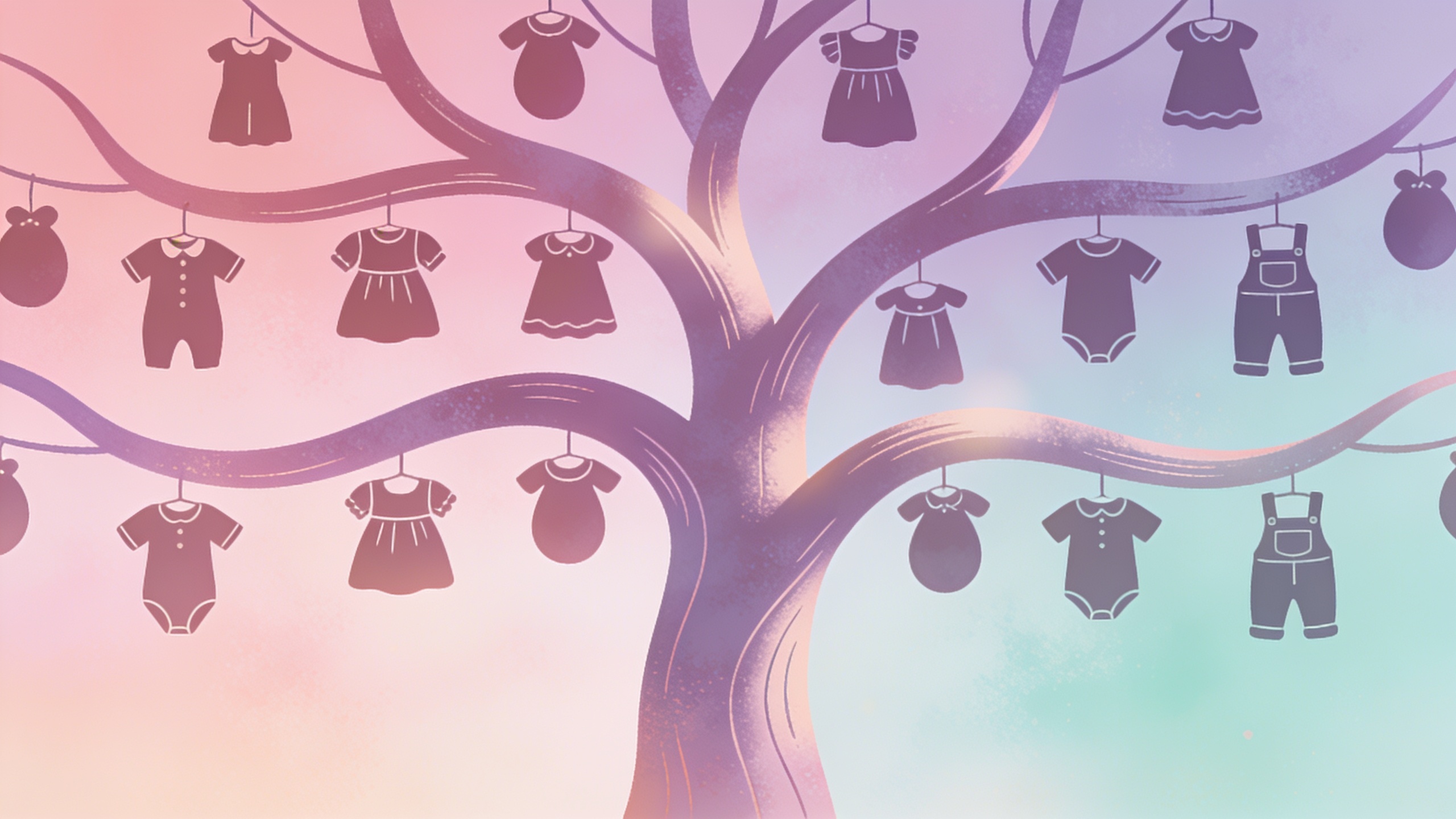
Children’s wear classification works on two axes: age group and function. Age determines proportions and safety requirements. Function determines fabric, construction, and the level of investment that makes sense.
Start with your child’s actual lifestyle, map that to the functional categories above, and buy quality where it counts most. That approach will serve you better than chasing trends or buying in bulk at random. Know the system, shop with intention, and you’ll spend less time returning the wrong sizes.